

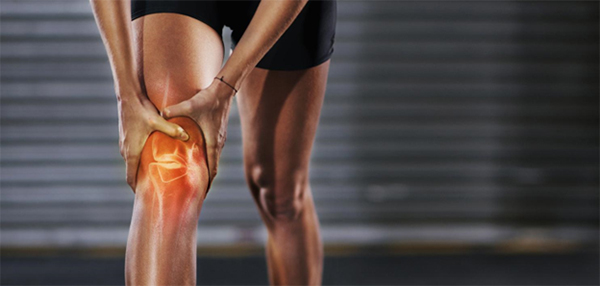
Knee replacement is one of the most common surgeries in the U.S., with nearly 800,000 performed each year. Advances like robotic technology are now transforming these procedures and improving outcomes. Let’s explore how robotics is changing knee replacement surgery.
Unmatched Precision and Accuracy
One of the most significant advantages of robotic-assisted knee replacement is the unparalleled precision it offers. Traditional knee replacement surgery relies heavily on the surgeon's skill and experience. In contrast, robotic systems provide real-time feedback and detailed 3D imaging, allowing surgeons to plan and execute the procedure with pinpoint accuracy. This precision ensures the artificial knee is perfectly aligned, reducing the risk of complications and improving the longevity of the implant.
Tailored Surgical Plans for Optimal Outcomes
Robotic technology enables the creation of highly personalized surgical plans tailored to each patient's unique anatomy. Before the surgery, a detailed 3D model of the patient's knee is generated using advanced imaging techniques. This model helps the surgeon to plan the optimal placement of the implant, taking into account the patient's specific bone structure and alignment. Personalized surgical plans lead to better outcomes, as they ensure that the implant fits perfectly and functions naturally.
Minimally Invasive Techniques for Faster Recovery
Robotic-assisted knee replacement often involves a minimally invasive approach, which means smaller incisions and less tissue damage. This approach not only reduces postoperative pain and scarring but also speeds up the recovery process. Patients can expect shorter hospital stays and a quicker return to their daily activities, making the overall experience much more comfortable and convenient.
Accelerated Recovery and Rehabilitation
The precision and minimally invasive nature of robotic-assisted knee replacement contributes to a smoother and faster recovery. Patients experience less pain and swelling, which allows them to start rehabilitation exercises sooner. Early and effective rehabilitation is crucial for regaining strength and mobility, ultimately leading to better long-term outcomes.
As robotic technology advances, patients can look forward to even better outcomes and an improved quality of life. If chronic knee pain is limiting your activities, reach out to us to see if you're a candidate for this cutting-edge procedure and take the first step toward enjoying life to the fullest.
AUTHOR: Dr. Christopher W. Palmer, DO – Orthopedic Surgeon & Robotic Total Joint Replacement Specialist
Dr. Christopher W. Palmer, DO is an orthopedic surgeon specializing in Mako robotic-assisted total joint replacement, minimally invasive joint procedures at Signature Medical Group. Recognized as a leading robotic total joint surgeon in Missouri, Dr. Palmer has performed more than 2,000 robotic joint replacement procedures and brings advanced, technology-driven orthopedic care to the St. Louis area through Signature Orthopedics.
Credentials & Education
Dr. Palmer earned his Doctor of Osteopathic Medicine degree from A.T. Still University/Kirksville College of Osteopathic Medicine. He completed his internship at Des Peres Hospital and his orthopedic surgery residency at Des Peres Hospital in affiliation with Saint Louis University and Cardinal Glennon Children’s Hospital. He also holds a bachelor’s degree in microbiology from Weber State University, providing a strong academic foundation in infectious disease research and surgical safety. He maintains multiple advanced certifications, including Advanced Trauma Life Support (ATLS), Advanced Cardiovascular Life Support (ACLS), Pediatric Advanced Cardiovascular Life Support (PALS), Basic Life Support (BLS), and National Institutes of Health Stroke Scale (NIHSS) certification. Dr. Palmer is an active member of the American Academy of Orthopaedic Surgeons (AAOS) and the American Association of Hip and Knee Surgeons (AAHKS), reflecting his commitment to advancing orthopedic care and staying current with the latest developments in hip and knee surgery.
Clinical Expertise
Dr. Palmer focuses on robotic-assisted total and partial joint replacement of the hip and knee, minimally invasive joint procedures, joint arthroscopy, and orthopedic trauma. His expertise in robotic technology allows for enhanced surgical precision, personalized implant positioning, and optimized recovery pathways.
In addition to his clinical practice, Dr. Palmer serves as a board member at Steri 3X and as a medical consultant for Convatec and Ethicon, contributing to advancements in infection prevention, wound care, and surgical innovation.
Medical Disclaimer: This information is for educational purposes only and does not constitute medical advice. For diagnosis and treatment recommendations, please consult with Dr. Palmer or another qualified orthopedic specialist.


