

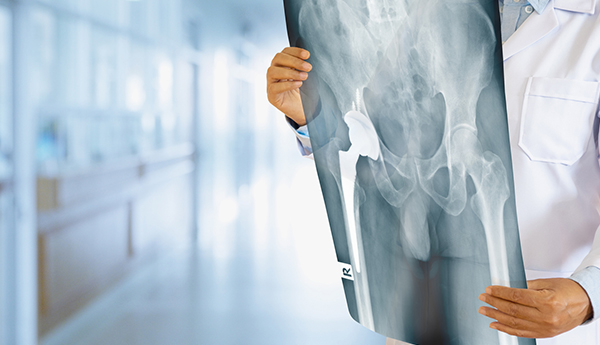
If persistent hip pain continues despite conservative treatments, surgery might be on your mind. Robotic-assisted hip replacement is gaining popularity for its precision and tailored benefits. But how does it measure up against traditional methods? Let’s look at what long-term studies reveal about its effectiveness—and whether it could be the right choice for you.
Enhanced Precision and Component Positioning
One of the primary advantages of robotic-assisted hip replacement is the improved accuracy in component positioning. Studies have shown that robotic systems provide more precise alignment and placement of implants.1 This precision can lead to better joint function and longevity of the implant.
Reduced Postoperative Pain
Robotic hip replacement surgeries often employ minimally invasive techniques, resulting in smaller incisions and less tissue disruption. This approach can lead to reduced postoperative pain and quicker recovery times. Patients undergoing robotic-assisted hip replacement have been found to require less pain medication compared to those who have conventional surgeries.2
Clinical and Functional Outcomes
Research comparing robotic-assisted total hip arthroplasty (rTHA) with conventional methods indicates that patients undergoing rTHA often experience slightly improved clinical outcomes. A systematic review of randomized controlled trials found that robotic surgery did show a reduction in leg length discrepancy, which can be crucial for patient comfort and mobility.3
Reduced Revision Rates
Long-term data suggest that robotic-assisted surgeries may lead to lower revision rates. The precise placement of components reduces wear and tear, potentially extending the life of the implant. Some studies have reported that patients who undergo rTHA have fewer revisions compared to those who had conventional hip replacements.4
Robotic hip replacement shows promising long-term benefits, especially in precision and reduced revision rates. Current data highlights robotic-assisted surgery as an excellent option for patients considering hip replacement.
Reference:
1. https://link.springer.com/article/10.1007/s11701-024-01949-z
2. https://consultqd.clevelandclinic.org/patients-use-less-pain-medication-after-robot-assisted-hip-replacement-compared-with-conventional-surgery
3. https://link.springer.com/article/10.1007/s11701-024-01949-z
4. https://link.springer.com/article/10.1007/s13534-023-00312-9
AUTHOR: Dr. Christopher W. Palmer, DO – Orthopedic Surgeon & Robotic Total Joint Replacement Specialist
Dr. Christopher W. Palmer, DO is an orthopedic surgeon specializing in Mako robotic-assisted total joint replacement, minimally invasive joint procedures at Signature Medical Group. Recognized as a leading robotic total joint surgeon in Missouri, Dr. Palmer has performed more than 2,000 robotic joint replacement procedures and brings advanced, technology-driven orthopedic care to the St. Louis area through Signature Orthopedics.
Credentials & Education
Dr. Palmer earned his Doctor of Osteopathic Medicine degree from A.T. Still University/Kirksville College of Osteopathic Medicine. He completed his internship at Des Peres Hospital and his orthopedic surgery residency at Des Peres Hospital in affiliation with Saint Louis University and Cardinal Glennon Children’s Hospital. He also holds a bachelor’s degree in microbiology from Weber State University, providing a strong academic foundation in infectious disease research and surgical safety. He maintains multiple advanced certifications, including Advanced Trauma Life Support (ATLS), Advanced Cardiovascular Life Support (ACLS), Pediatric Advanced Cardiovascular Life Support (PALS), Basic Life Support (BLS), and National Institutes of Health Stroke Scale (NIHSS) certification. Dr. Palmer is an active member of the American Academy of Orthopaedic Surgeons (AAOS) and the American Association of Hip and Knee Surgeons (AAHKS), reflecting his commitment to advancing orthopedic care and staying current with the latest developments in hip and knee surgery.
Clinical Expertise
Dr. Palmer focuses on robotic-assisted total and partial joint replacement of the hip and knee, minimally invasive joint procedures, joint arthroscopy, and orthopedic trauma. His expertise in robotic technology allows for enhanced surgical precision, personalized implant positioning, and optimized recovery pathways.
In addition to his clinical practice, Dr. Palmer serves as a board member at Steri 3X and as a medical consultant for Convatec and Ethicon, contributing to advancements in infection prevention, wound care, and surgical innovation.
Medical Disclaimer: This information is for educational purposes only and does not constitute medical advice. For diagnosis and treatment recommendations, please consult with Dr. Palmer or another qualified orthopedic specialist.


